

 |
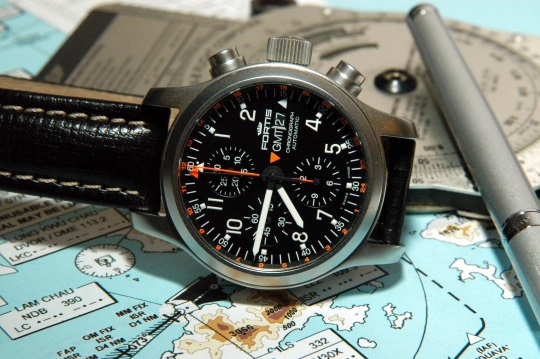
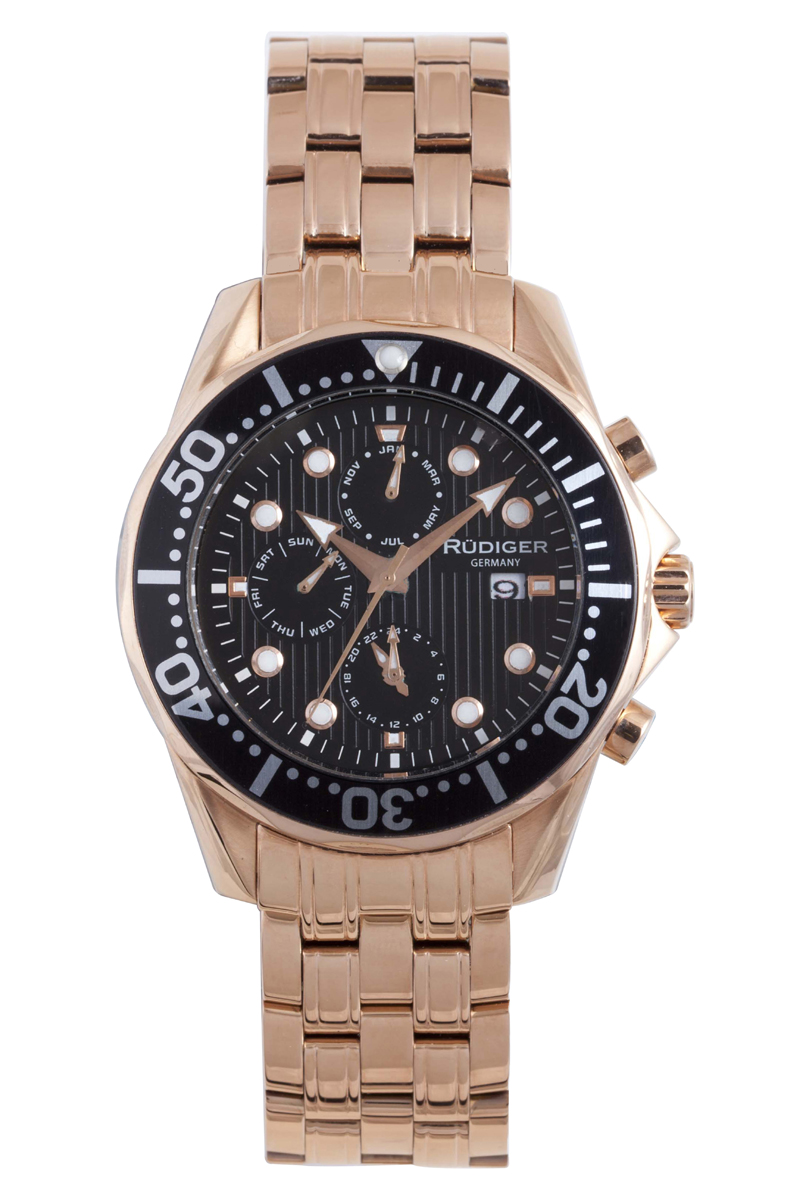
The chronograph is the most popular and recognizable watch complication. A chronograph watch is a valuable tool that can be used to time a wide variety of events like cycling or car racing. A watch with the chronograph function typically has a centrally mounted independent sweep second hand that can be started, stopped and returned to zero by pressing the watch’s pushers. Chronograph watches range from simple stopwatch models to watches with multiple subdials that measure seconds, minutes, hours or even tenths of a second.
 Chronograph watches have a long and illustrious history. Many fans of modern day chronographs might not realize that the first chronograph was invented to please King Louis XVIII of France. The king was quite fond of horseracing and wanted to know exactly how long each race lasted. In 1821, he commissioned the royal watchmaker, Nicolas Rieussec, to develop a timepiece that allowed him to pursue his passion. It didn’t take long for the invention of the chronograph to catch the attention of watch aficionados everywhere.
Rieussec’s chronograph was quickly refined by other watchmakers, and it wasn’t long before you began seeing chronograph watches timing everything from swimming matches to the velocity of missiles. Probably the most famous applications of the modern chronograph were the historic Apollo missions to the moon. NASA issued each astronaut a fully functioning chronograph and these timepieces often played an important role in lunar missions. For example, when an explosion in the service module crippled Apollo 13, astronaut Jack Swigert used his chronograph to precisely time a critical 14-second mid-course maneuver that allowed the crew to safely return to earth.
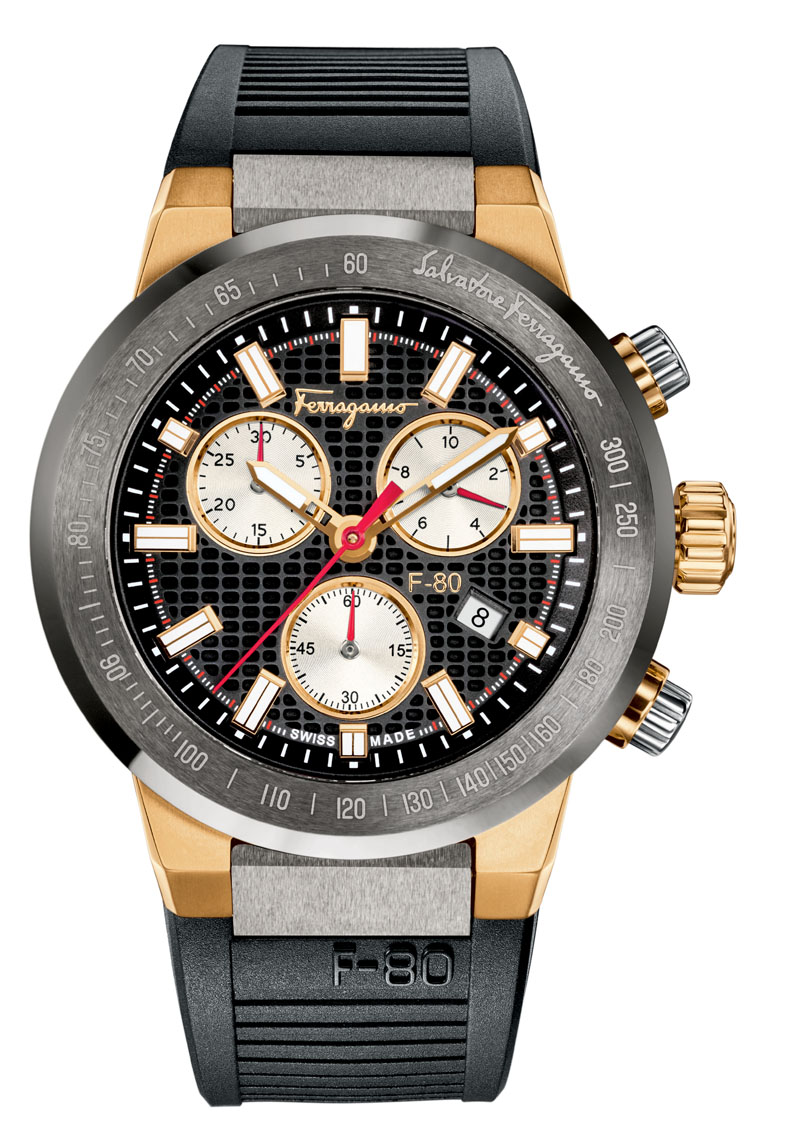
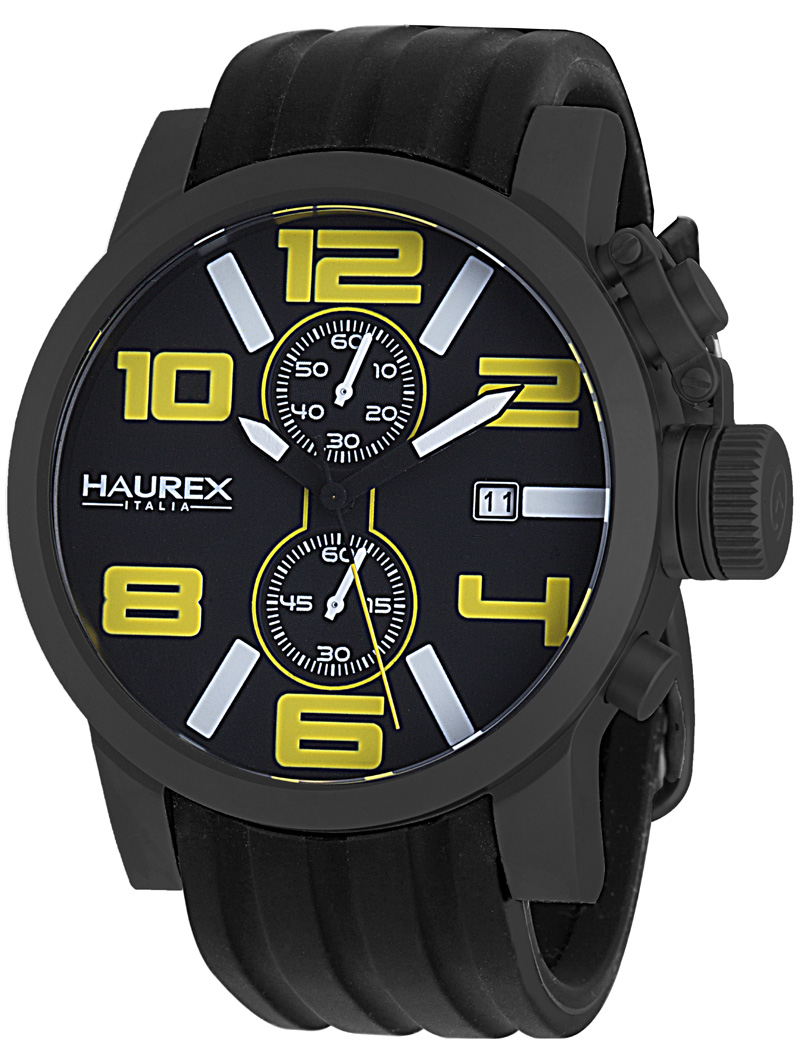
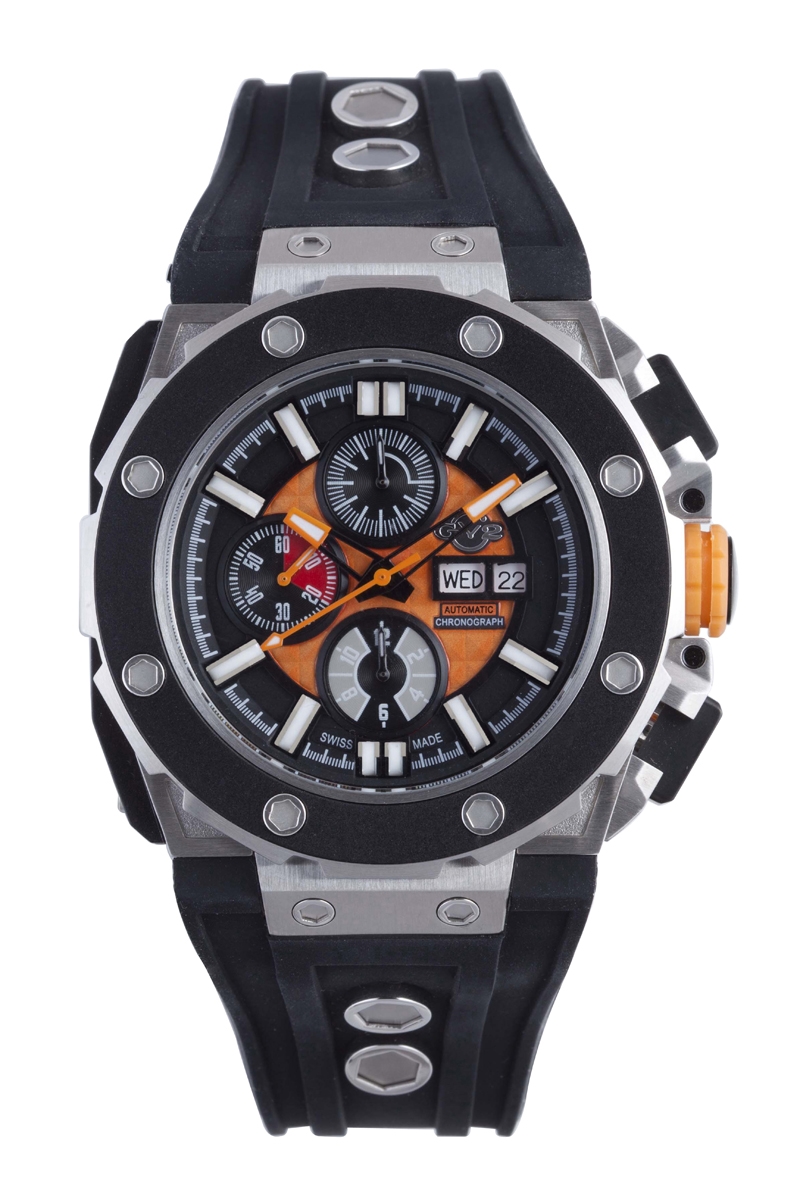
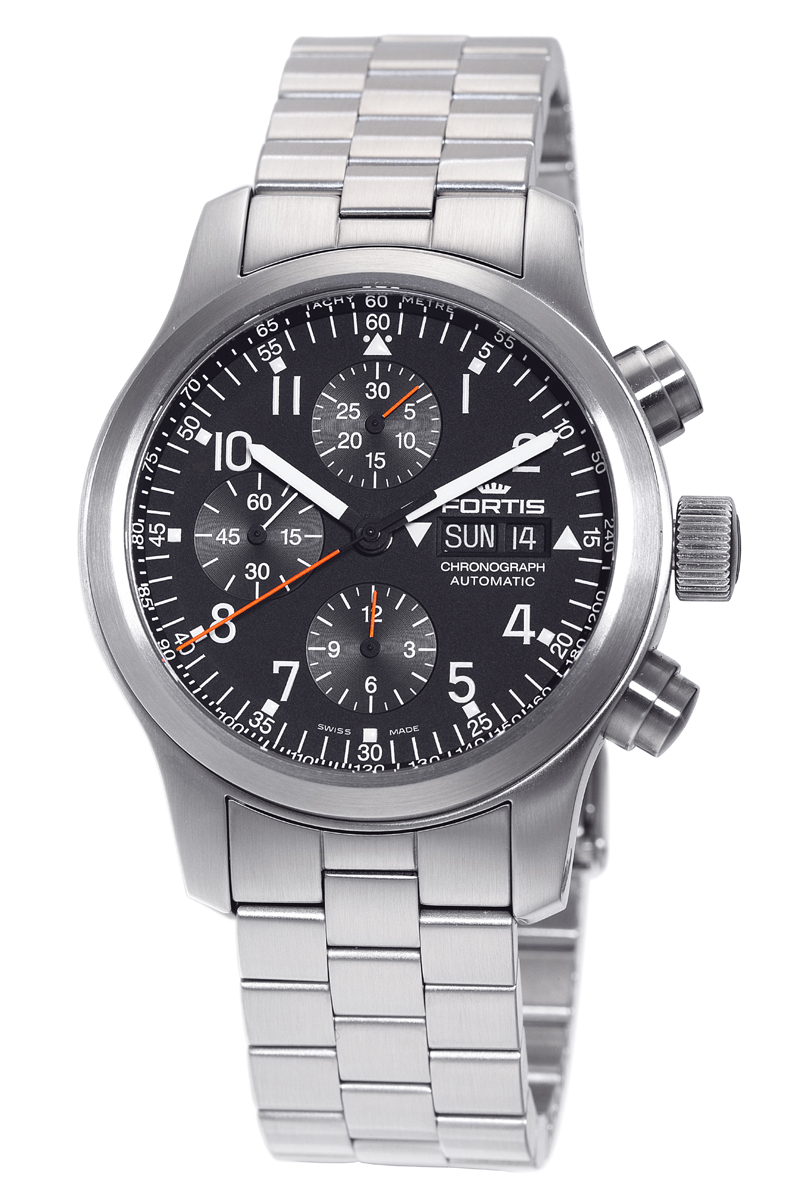
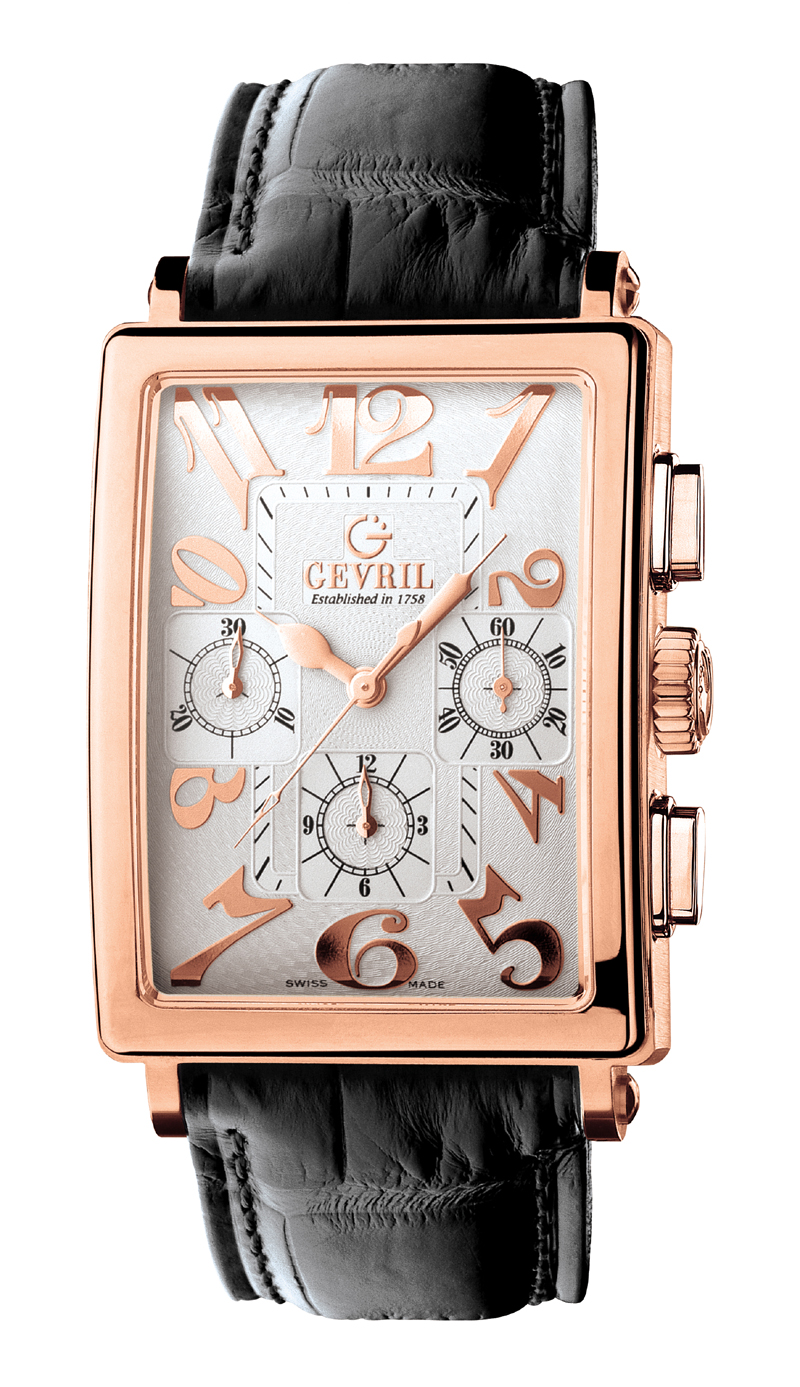
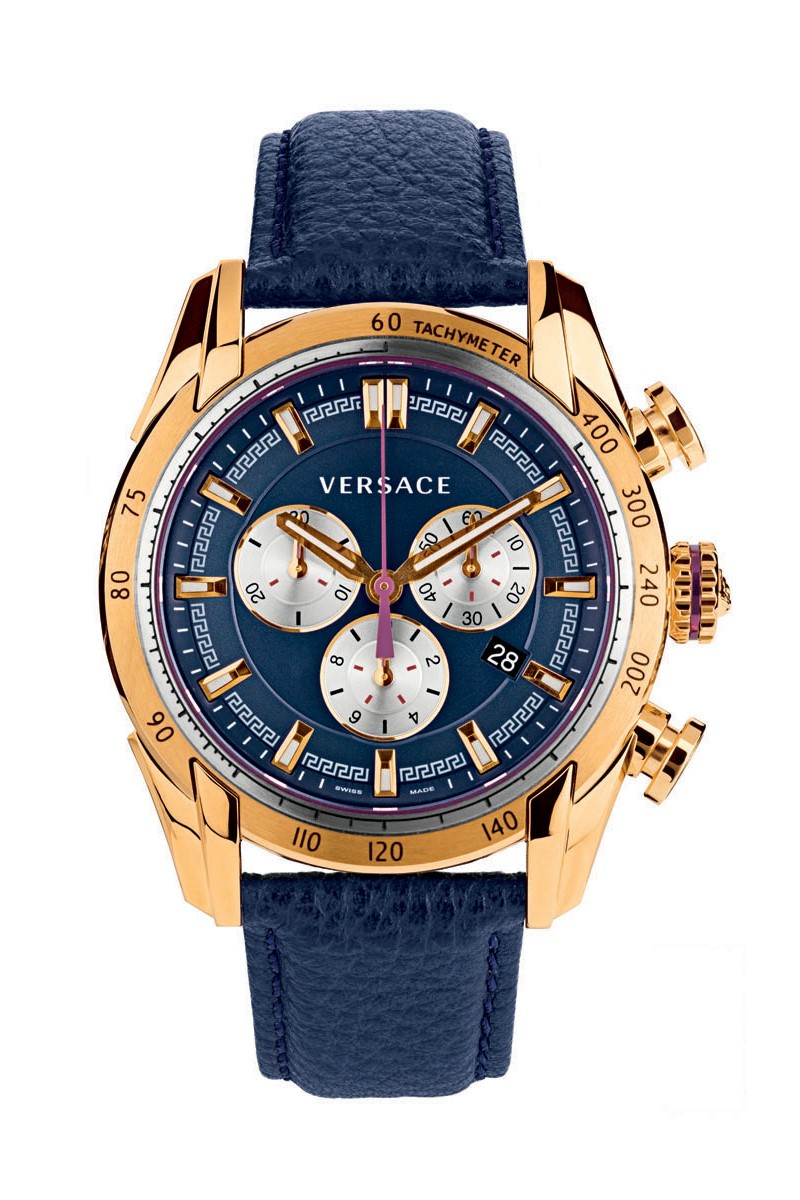
Today, every major watchmaker makes at least one model of chronograph. Some major manufactures, such as Fortis, have entire collections of these versatile timepieces, often characterized by multiple subdials that measure specific intervals. Modern chronograph watches are available in both hand wound and automatic mechanical models, as well a wide variety of quartz and digital versions.
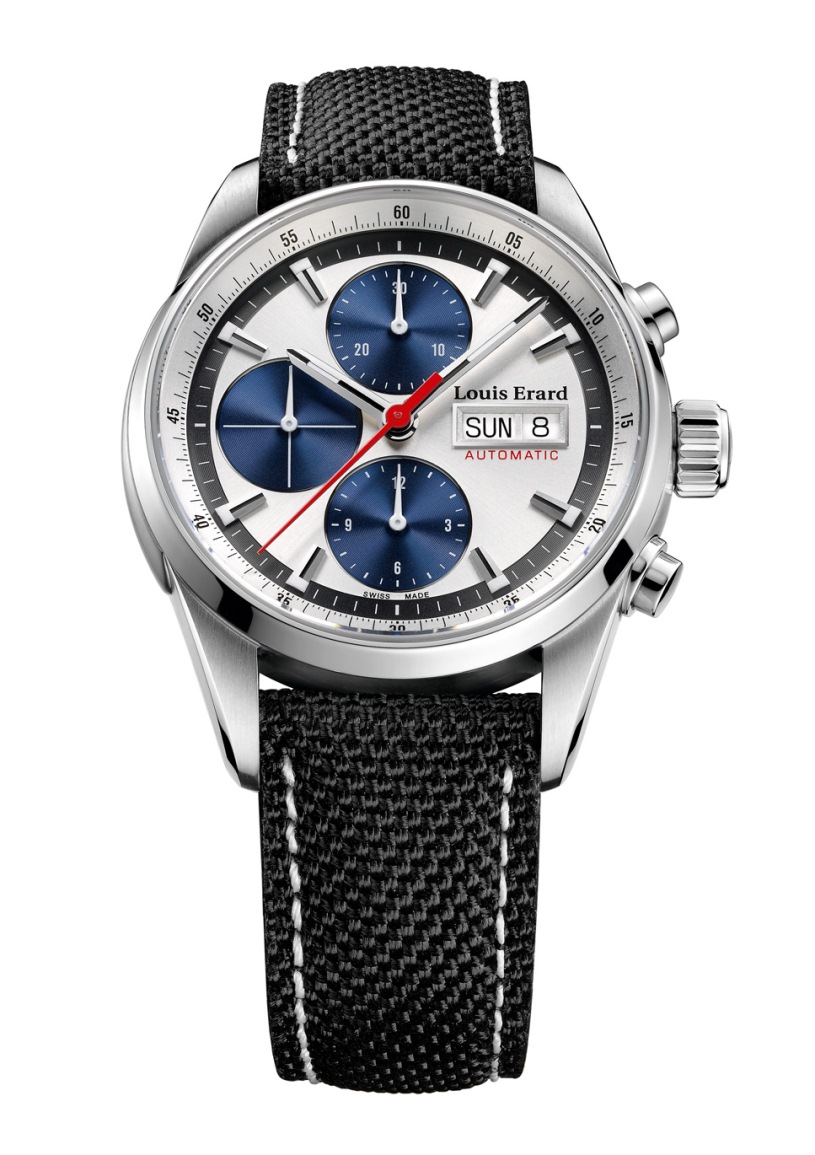
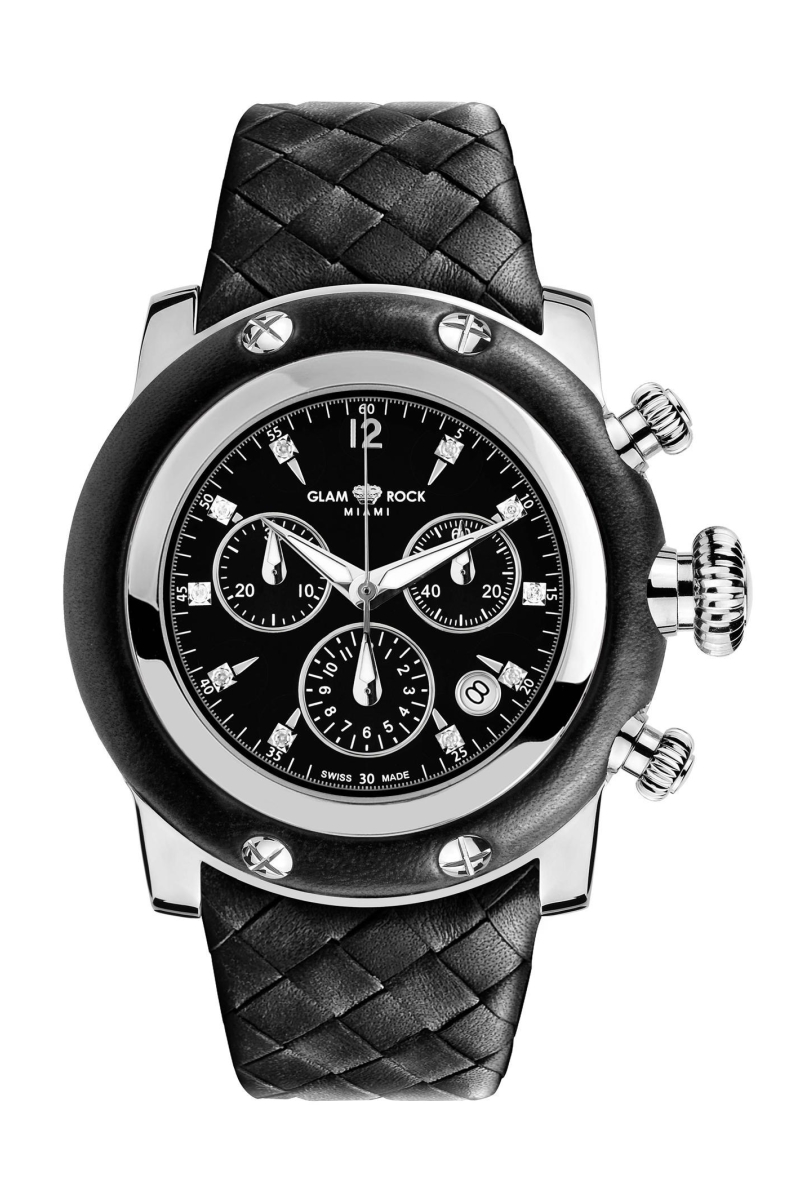
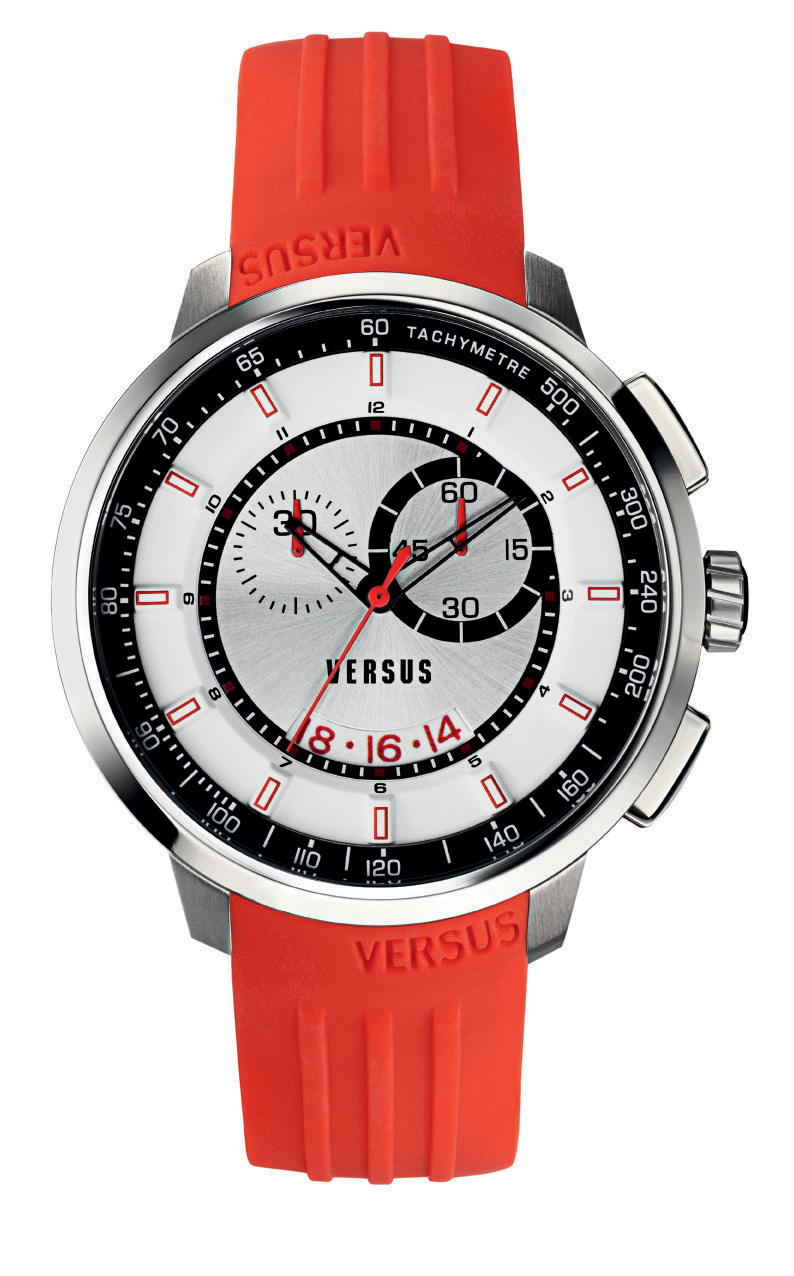
Literally hundreds of patents have been awarded to talented watchmakers for upgrading and refining this complex and popular timing device. Current chronograph watches include calendar chronographs, split second chronographs, flyback chronographs, regulator chronographs, double chronographs, tachometer chronographs, telemeter chronographs, and much more. There are sailor’s chronographs that calculate the tides as well as doctor’s chronographs that record a patient’s heartbeat and respiration levels.
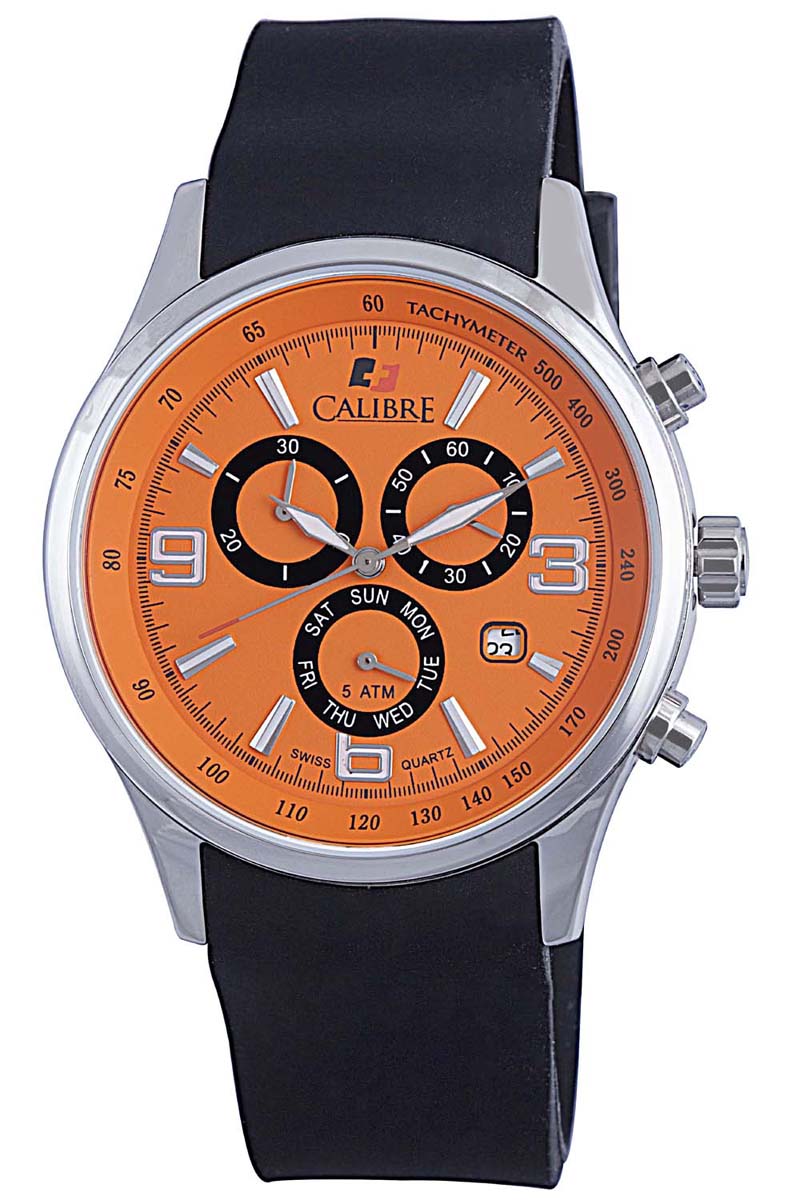
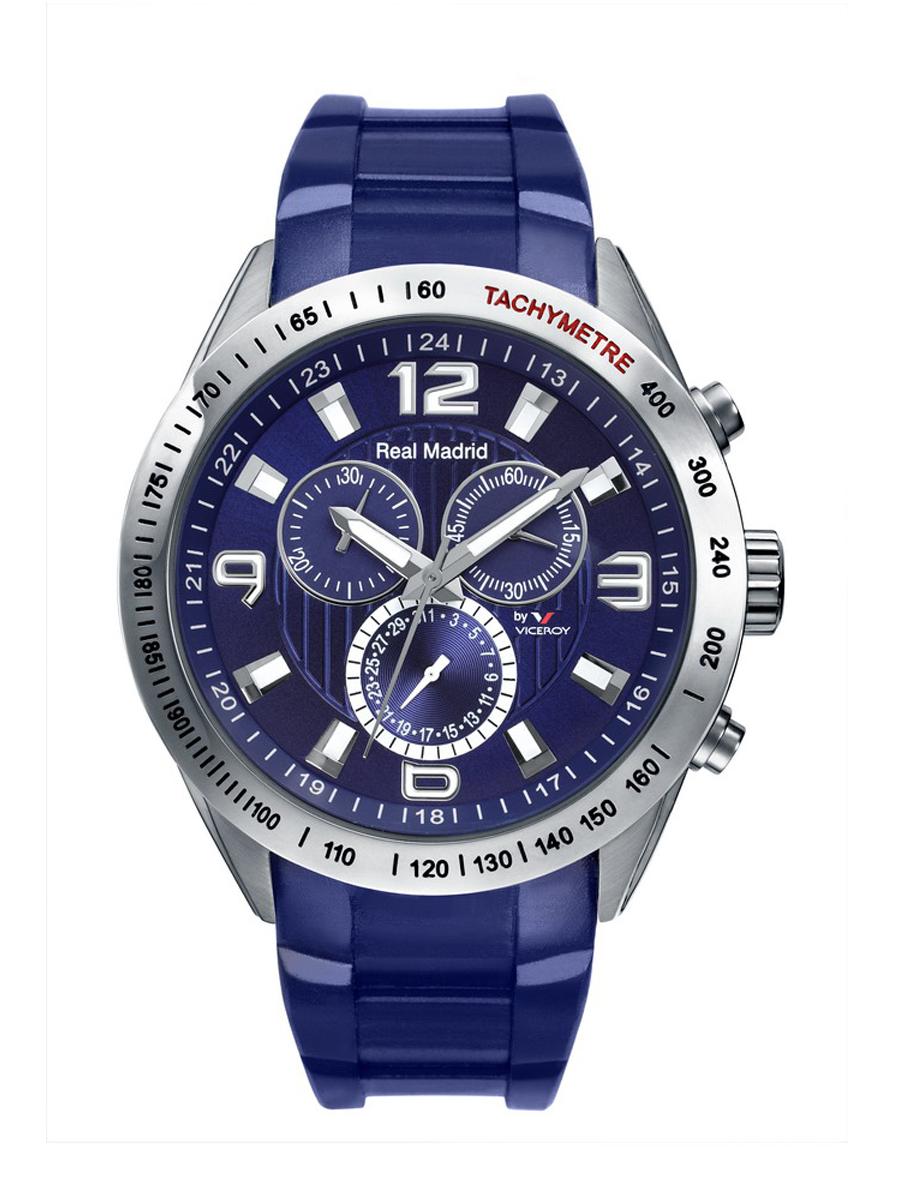
As long as people continue to time and measure events, there will be a need for chronograph watches. These iconic timepieces have even entered the world of fashion, with top designers often including fashion-forward chronographs in their collections. The chronograph has definitely come a long way since the days when it was reserved for royalty. Chances are that you are probably wearing a chronograph already. (https://skinnyninjamom.com/)
About Gevril Group
 Gevril Group, watchmaker and wholesale watch distributor, is the exclusive U.S. agent for exquisitely designed and crafted European luxury and fashion watch brands, distributing and servicing some of the best affordable luxury watches, Swiss made watches and trendy fashion watches. Gevril Group also operates a full-service watch repair, staffed by master Swiss watchmakers. Contact Gevril Group by email or by calling 845-425-9882.
Join the conversation! Follow Gevril Group on Facebook, Twitter and LinkedIn. Please subscribe to the Gevril Group newsletter and blog.